
Are Printed Shirts Durable? What Makes Them Last
A shirt that carries your mindset should not fade after a few laundry cycles. So, are printed shirts durable? They can be - but durability depends on the shirt itself, the printing method, the ink quality, and the standards you bring to caring for it. A graphic tee is built for real life: early workouts, long workdays, family weekends, and the days you keep going when motivation runs low.
The truth is simple. Not every print is made equal, and no garment is indestructible. But a well-made printed shirt, treated with basic care, can keep its color, message, and shape through regular wear. That matters when the words on your chest are more than decoration. They are a reminder to show up with discipline.
Are Printed Shirts Durable Enough for Everyday Wear?
Yes, quality printed shirts are designed for everyday rotation. Modern direct-to-garment printing, screen printing, and heat-applied transfers can all produce durable results when they are paired with the right fabric and proper production process.
Durability is not just about whether a design stays visible. It is about how the print feels, whether it cracks or peels, how the shirt holds its shape, and whether the color still looks intentional after repeated washing. A durable shirt should keep earning its place in your drawer instead of becoming the one you only wear around the house.
For made-to-order graphic apparel, the production method often depends on the artwork and garment. Detailed, full-color designs may use direct-to-garment printing, where water-based inks are applied directly into the fabric fibers. Bold, simple designs may be well suited to other methods. The right choice is not about chasing one method as universally best. It is about matching the process to the design, fabric, and expected use.
A shirt worn once a month will naturally last longer than one worn twice a week. Friction from seat belts, gym benches, backpacks, and repeated washing all add up. That is normal. The goal is not to keep a shirt frozen in time. The goal is to choose gear that holds up as you live in it.
What Determines How Long a Shirt Print Lasts?
The print is only one part of the equation. Fabric quality and garment construction set the foundation. A solid cotton or cotton-blend tee with a stable knit gives the print a better surface and usually handles regular wear more reliably than a thin, poorly constructed shirt.
The printing process matters next. Screen printing can create long-lasting, vibrant designs, especially for larger production runs and bold artwork. Direct-to-garment printing is especially effective for detailed graphics and can remain soft and durable when it is properly cured. Heat transfers vary more widely. High-quality transfers can perform very well, while lower-quality applications may be more likely to lift, crack, or feel overly stiff over time.
Curing is one of the behind-the-scenes details that makes a real difference. Ink or transfer material has to be set correctly so it bonds to the garment. When this step is handled well, the print is better prepared for wash cycles and daily movement. When it is rushed, even a good-looking new shirt may disappoint later.
Then comes the part you control: care. High heat, harsh detergents, aggressive wash settings, and dryer abuse can shorten the life of both the print and the fabric. You would not train hard, eat with intention, and then expect results from careless habits. Your apparel works the same way. Small decisions compound.
Signs of a Print Built to Last
A durable print usually sits cleanly on the shirt without obvious lifting around the edges. It should look even in color and feel appropriate for the design - not necessarily invisible, but not like a brittle plastic sheet either. Fine details should be clear, and large areas of ink should look consistent.
After washing, minor softening can be normal with some print styles. Major cracking, peeling, or fading after only a few washes is not. Also pay attention to the garment. A great print on a shirt that twists, shrinks heavily, or loses its collar shape will not deliver the long-term wear you want.
How to Make Printed Shirts Last Longer
The best care routine is straightforward, and it does not require special products. Turn your shirt inside out before washing. This protects the printed surface from rubbing against zippers, buttons, rough fabrics, and the washer drum.
Wash in cold water on a gentle or normal cycle with similar colors. Cold water is easier on printed graphics and helps reduce unnecessary fading. Use a mild detergent, and skip bleach unless the garment care label specifically allows it. Bleach can damage fibers and dull both fabric color and printed artwork.
Drying is where many shirts take the biggest hit. Air drying is the gentlest option. If you use a dryer, choose low heat and remove the shirt when it is dry rather than letting it bake through an extended cycle. High heat can stress fibers, shrink cotton, and weaken certain print applications over time.
Do not iron directly over a graphic. If the shirt needs ironing, turn it inside out or place a protective cloth between the iron and the design. Direct heat can melt, mark, or distort the print, particularly with heat-applied graphics.
These habits are not complicated. They are the apparel version of discipline: do the basic things consistently, and the result lasts longer.
The Real Trade-Off: Soft Feel vs. Heavy Print Coverage
Some customers assume a thicker print always means a stronger print. That is not necessarily true. A heavier ink layer can create a bold, high-impact look, but it may feel warmer or less flexible. A softer print, especially with direct-to-garment methods, may blend more naturally into the fabric and feel lighter during all-day wear.
Neither option is automatically better. It depends on what you value. If you want a large, punchy front graphic for a statement piece, more coverage may fit the purpose. If you want a softer shirt for training, travel, or daily errands, a lighter-feel print may be the better call.
Fabric color also changes the production approach. Printing on dark garments may require a base layer beneath the color design so the artwork stays visible. That can add texture compared with printing on a light shirt. It is a practical trade-off, not a defect. The point is to have clear expectations and choose the shirt you will actually wear.
Does Print-on-Demand Affect Shirt Durability?
Print-on-demand does not automatically mean lower durability. It means the shirt is produced after the order is placed rather than pulled from a warehouse full of pre-printed inventory. Quality still comes down to the blank garment, print technology, inks, curing, and quality control.
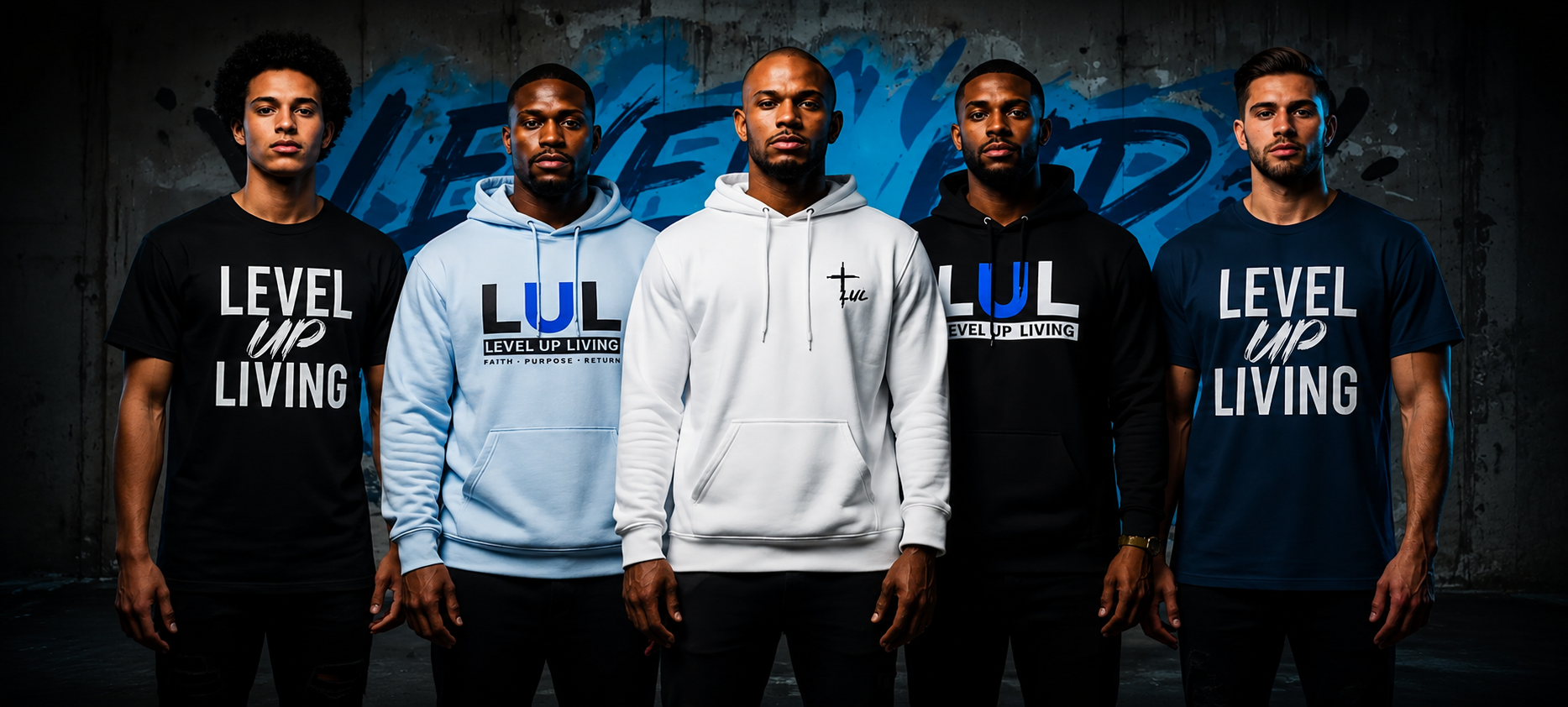
There are practical advantages to made-to-order apparel. A design can be produced fresh, and brands can offer a wider range of messages without creating waste from excess stock. At Level Up Living, that matters because each design is meant to represent a standard - whether you wear discipline, faith, freedom, entrepreneurship, or the decision to stop settling.
Still, fresh production does not remove the need for smart care. Every shirt has a lifespan, and the way you wear and wash it helps determine how much of that lifespan you get.
When It Is Time to Retire a Printed Shirt
A well-loved tee does not need to look brand new forever. A little softness and character can be part of the story. But it may be time to retire a shirt from your public rotation when the collar is stretched out, the fabric has become thin, the print is significantly cracked, or stains and odors will not come out.
That does not mean the shirt failed. It may mean it did its job. It showed up for the workouts, the travel days, the long nights building something bigger, and the ordinary days where consistency mattered most.
Choose messages worth wearing, buy the quality you can stand behind, and care for your gear with the same intention you bring to your goals. A printed shirt can last - and the standard it represents can last even longer.