
Made to Order Versus Retail: What You Wear
A shirt can be more than something you grab from a rack because it is there. It can be a reminder to train harder, build with intention, stand for freedom, or lead your family well. That is where made to order versus retail becomes more than a production question. It becomes a question of what you value: speed and familiarity, or purposeful choice and a product created because you decided it was worth wearing.
Retail and made-to-order apparel serve different priorities. Neither is automatically right for every purchase. But when your clothing carries a message about discipline, faith, courage, or the standard you refuse to lower, understanding the difference helps you buy with more intention.
Made to Order Versus Retail: The Core Difference
Traditional retail works by predicting demand. A brand chooses styles, colors, sizes, and quantities months ahead, then manufactures inventory before customers place an order. Those products are shipped to warehouses, stores, or fulfillment centers and wait for a buyer.
Made-to-order apparel works in the opposite direction. The customer places an order first. Then the item is printed, prepared, and shipped. Production follows real demand instead of a forecast.
That difference sounds simple, but it shapes nearly everything about the experience. Retail often wins on immediate availability. If a store has your size and the design you want, you can walk out with it that day or receive it quickly from an online warehouse. Made to order asks for patience because the item has to be created before it can begin its journey to you.
In return, made to order gives brands room to offer a broader range of designs without gambling on huge inventory runs. A message does not need to appeal to every shopper in every zip code to earn its place. It only needs to connect with the person who sees it and says, “That is me. That is what I stand for.”
Why Retail Still Has a Place
Retail inventory exists for a reason. It is useful when timing is the top priority. Maybe you need a basic tee for a trip, a last-minute gift, or a hat for an event this weekend. A stocked store can solve that problem quickly.
Retail also makes it easy to see certain products in person before buying. You can assess the fabric, compare colors, and try on multiple sizes. For shoppers who need an item immediately or strongly prefer an in-store fitting room, those are real advantages.
But retail speed comes with a trade-off: prediction. Brands have to guess what will sell, in what quantities, and in which sizes. When they guess wrong, products sit. Then come clearance racks, excess storage, markdowns, and sometimes unsold goods that never reach the people they were made for.
That model can also narrow creative choices. A retailer may favor the safest slogan, the broadest graphic, and the most predictable color because every new design requires an upfront inventory commitment. There is nothing wrong with a classic blank shirt or a familiar logo. But safe is not always personal, and personal is often the point.
What Made-to-Order Apparel Changes
Made-to-order production puts the decision back where it belongs: with the person who will wear the item. Your order signals real demand. It is not one more unit produced on the chance that someone, somewhere, might eventually want it.
For a lifestyle brand, that opens the door to more specific identity-driven designs. A runner can wear a standard that keeps them accountable on early mornings. An entrepreneur can choose a message that reinforces the work required when nobody is watching. A parent can represent the legacy they are building. A person grounded in faith can wear a quiet, clear expression of conviction.
That range matters because growth is not one-size-fits-all. Some people are fighting complacency. Some are rebuilding confidence. Some are chasing a business goal, strengthening their body, or choosing courage over fear. The message that moves one person may not be the message another person needs on their hardest day.
Made to order also reduces the pressure to overproduce. It does not eliminate all environmental impact - blank garments still need to be made, printing and shipping still use resources, and individual fulfillment has its own footprint. Still, producing after an order is placed can help reduce excess inventory and the waste tied to unwanted seasonal stock.
This is not about pretending one purchase changes everything. It is about choosing a model that better matches demand while giving customers more room to wear what actually represents them.
The Trade-Off: Time Is Part of the Process
The honest downside is fulfillment time. Made-to-order items are not usually pulled off a shelf the minute you check out. They require production time before shipping, especially during high-volume seasons or when a specific item needs careful preparation.
That means shoppers should plan ahead. If you need a shirt for a birthday, race weekend, holiday, or family gathering, do not wait until the last possible moment. Order early and give the process room to work.
Patience is not always convenient. But it can be worthwhile when you are choosing apparel for more than convenience. The shirt you wear before training, during a long workday, or at a family cookout can carry a standard that keeps you aligned. A few extra days can be a fair exchange for something made because you chose it, not because a warehouse needed space.
How to Choose the Right Model for Your Next Purchase
Start with your reason for buying. If you need a plain staple immediately, retail may be the practical move. If you want a specific design that reflects your mindset, beliefs, or personal mission, made to order is often the stronger fit.
Then think about timing. Do you have enough lead time for production and shipping? If yes, you have more freedom to choose the message and style that feels right instead of settling for whatever happens to be available nearby. If no, choose retail without guilt and keep your future orders planned.
Quality expectations matter too. Made to order does not mean every product is custom-tailored, and retail does not automatically mean poor quality. Read product details, check sizing information carefully, and know the care instructions. Graphic apparel lasts longer when you treat it like a piece you chose on purpose: wash it with care, avoid excessive heat when possible, and do not treat it like disposable clothing.
Finally, ask whether the piece will earn its place in your rotation. The best purchase is not the loudest one or the cheapest one. It is the one you will wear consistently because it says something true about who you are becoming.
Wear the Message, Then Live It
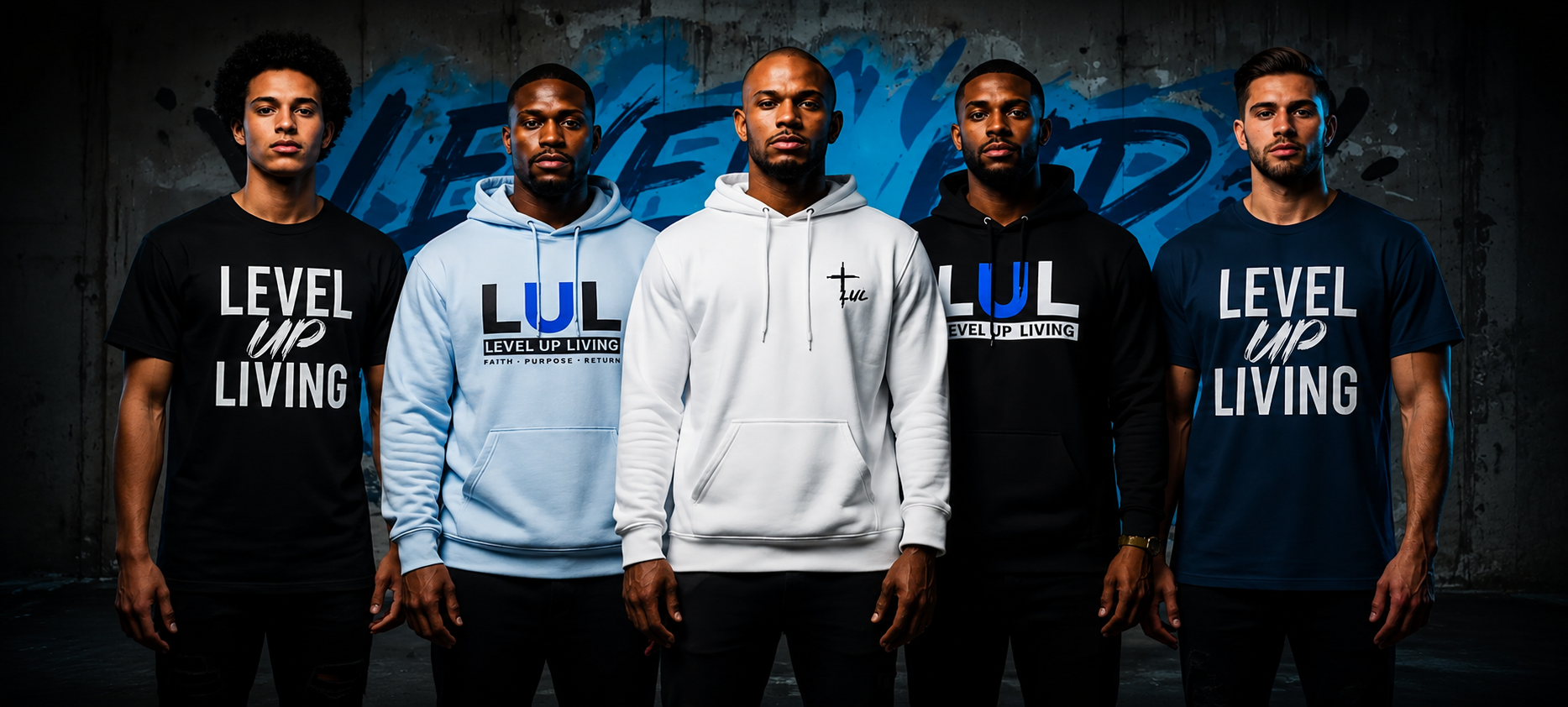
At Level Up Living, made-to-order apparel supports a simple idea: your standards should not stay hidden. A shirt can be a visual reminder that discipline creates freedom, that fear does not get the final word, and that progress is built through repeated choices.
Still, clothing is not the work itself. A motivational message cannot do your workout, make the difficult call, build the business, repair the relationship, or keep the promise you made to yourself. It can remind you. It can represent you. But you have to back it up.
Choose retail when speed truly matters. Choose made to order when you want more intention, more design choice, and less dependence on excess stock. Then wear what reflects your direction, and let your actions prove the message was never just printed on a shirt.