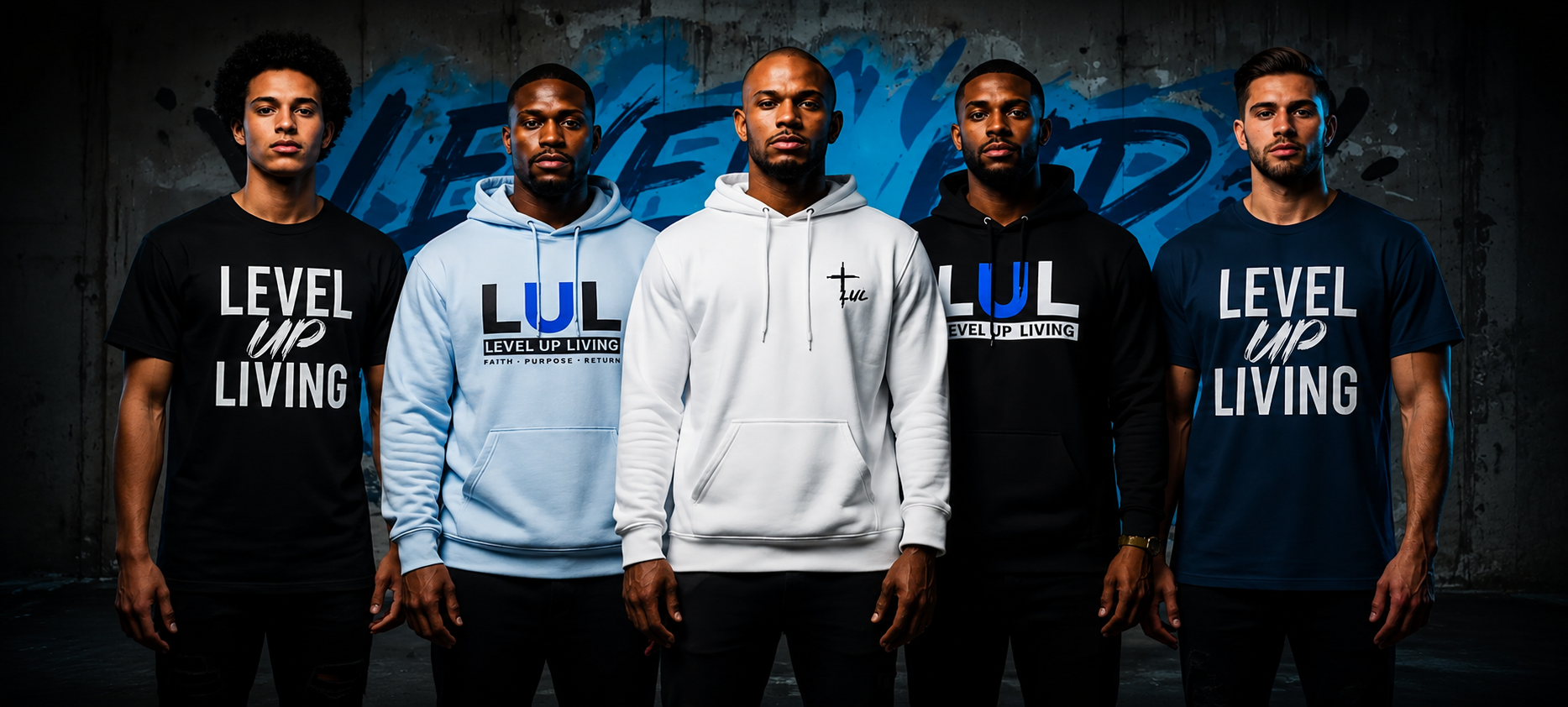

Ethical Apparel Starts With What You Support
A shirt can carry a message long before anyone reads the print. It says something about what you value, what you fund, and what you are willing to overlook. Ethical apparel is not about chasing perfection or buying a new identity. It is about making more deliberate choices with the dollars you already spend.
For people building a life around discipline, faith, freedom, family, and personal standards, that matters. Your clothing may be casual, but your decisions do not have to be careless. The goal is not a flawless closet. The goal is a wardrobe that better matches the principles you expect from yourself.
What Ethical Apparel Actually Means
Ethical apparel is clothing made and sold with meaningful attention to human labor, environmental impact, product quality, and honest business practices. That definition is broad because apparel has a long supply chain. A single T-shirt can involve fiber growers, mill workers, garment makers, printers, packers, delivery teams, and the people who handle returns.
No brand can responsibly claim that every part of this system is simple. Materials have trade-offs. Manufacturing regions have different rules. Shipping creates emissions. Even a well-made shirt becomes waste if it sits unworn in a drawer.
That is why ethical buying should be practical rather than performative. Ask better questions. Expect clear answers. Buy pieces you will actually wear. Support businesses that show respect for people, resources, and the customer they serve.
Ethical Apparel Is a Standard, Not a Slogan
A powerful phrase on a shirt is only part of the story. The standard behind it matters too. When you choose apparel, consider whether the company’s process lines up with the values printed on the product.
Start with labor. Ethical business means workers should be treated with dignity and paid fairly under safe conditions. Few shoppers can personally inspect a production facility, which makes transparency valuable. A responsible brand should be willing to explain where its products come from, how they are made, and what it knows about its partners. Vague claims without any details deserve skepticism.
Next, consider durability. The cheapest item is not always the best value. A shirt that loses its shape after a few washes, a hat with weak construction, or a print that cracks quickly often creates a false bargain. You buy again, discard more, and spend more over time. Choosing quality is not about status. It is about refusing the cycle of disposable consumption.
Then look at production volume. Traditional retail often requires brands to guess demand months in advance, order large batches, and hope the inventory sells. When the guess is wrong, excess products can be discounted, stored indefinitely, or discarded. Made-to-order production offers a different model: an item is created after a customer places an order. It can help reduce unnecessary overproduction and warehouse-heavy inventory.
That model is not magic. Individual fulfillment can still involve shipping, materials, and energy use. It may also mean customers wait longer than they would for a mass-produced item sitting on a shelf. But for a brand built around purposeful choices, producing what is ordered instead of flooding the market with excess can be a meaningful step in the right direction.
Buy With Intention, Not Guilt
Ethical decisions can feel complicated when every product has a different story. Do not let that become an excuse to do nothing, or a reason to feel guilty about every purchase. Progress comes from a stronger buying pattern, not from one perfect transaction.
Before buying, pause long enough to ask whether the item has a role in your life. Will you wear it to train, work, travel, coach your kids, attend church, build your business, or handle the ordinary work that moves your life forward? Does it reinforce a message you genuinely live by? If the answer is yes, it has more staying power than a trend you will forget in six weeks.
A smaller rotation of reliable pieces can be a disciplined choice. You do not need a closet overflowing with options to show up with confidence. A few well-chosen tees, hats, and layers that fit your standards will work harder than a pile of impulse purchases.
Care matters as much as the checkout button. Follow wash instructions, avoid excessive heat when possible, repair small issues before they grow, and donate usable apparel you no longer wear. Extending the useful life of what you own is one of the most direct ways to reduce waste.
Questions Worth Asking Before You Buy
You do not need to interrogate every company like an investigator. But a few straightforward questions can separate thoughtful purchasing from mindless scrolling.
Look for clarity around how items are produced and fulfilled. If a brand uses print-on-demand, does it explain that products are created after purchase? If it makes sustainability claims, does it describe the specific practice rather than leaning on vague words such as “eco-friendly”? If it talks about quality, are there useful details about fit, fabric, care, and construction?
Also consider the relationship between price and promise. Ethical production, durable materials, small-batch fulfillment, and fair labor can cost more than the race-to-the-bottom alternative. Higher price alone does not prove a company is responsible, but extremely low prices often force someone in the chain to absorb the cost.
Finally, pay attention to whether the product earns a place in your routine. A meaningful graphic tee worn weekly has a different value than a novelty item purchased for a quick reaction. The strongest apparel is not merely seen. It becomes part of how you show up.
The Trade-Offs Are Real
There is no single fabric, fulfillment method, or price point that solves every concern. Cotton can be natural and comfortable, but conventional growing may require substantial water and chemical inputs. Synthetic materials can be durable and useful for athletic performance, yet they come from fossil-fuel-based sources and may shed microfibers. Recycled materials can reduce demand for virgin inputs, though recycling processes also use energy and can affect material performance.
The right choice depends on the product and how long you will use it. A performance shirt built for repeated hard training has different requirements than an everyday cotton tee. The honest standard is not pretending every option is equal. It is choosing with awareness, using what you buy fully, and avoiding waste when a better option is available.
The same goes for domestic versus overseas production. Local manufacturing may shorten some transportation routes and offer greater visibility, but it is not automatically ethical. Overseas manufacturing is not automatically irresponsible either. Worker conditions, wages, environmental controls, factory relationships, and accountability matter more than a simple label.
Wear What You Are Building
Your clothes cannot do the work for you. A message about discipline does not replace early mornings, kept promises, hard training, or the courage to act when motivation fades. But reminders matter. What you wear can keep your standards visible when the day gets demanding.
That is the opportunity in ethical apparel. It brings the product and the principle closer together. When you support made-to-order production, choose pieces with purpose, care for what you own, and expect honest practices from the companies you buy from, you turn a routine purchase into a vote for the kind of market you want to help build.
Wear the message. Live the standard. Then make your next purchase like it matters.